

EYES · BEVERLY HILLS
Blepharoplasty & Eyelid Surgery in Beverly Hills
Lift MD Surgical offers individualized upper and lower blepharoplasty, also known as eyelid surgery, in Beverly Hills under the direction of Garo Kassabian, MD, FACS.
Designed around each patient's anatomy, eyelid shape and pattern of aging, the goal is to create a more rested, refreshed appearance while preserving the natural character and expression of the eyes.

Model-not actual patient
UPPER EYELID SURGERY
Upper Blepharoplasty
Upper blepharoplasty is designed to address excess skin and other age-related changes affecting the upper eyelids.
For some patients, upper-eyelid skin can create heaviness or hooding that makes the eyes appear tired or less defined. Surgery is planned conservatively around the patient's natural eyelid shape and anatomy.
The goal is a cleaner, more refreshed upper-eye appearance without creating an overly hollow or operated-on look.

Model-not actual patient
INDIVIDUALIZED EYELID REJUVENATION
Refresh the Eyes. Preserve the Expression.
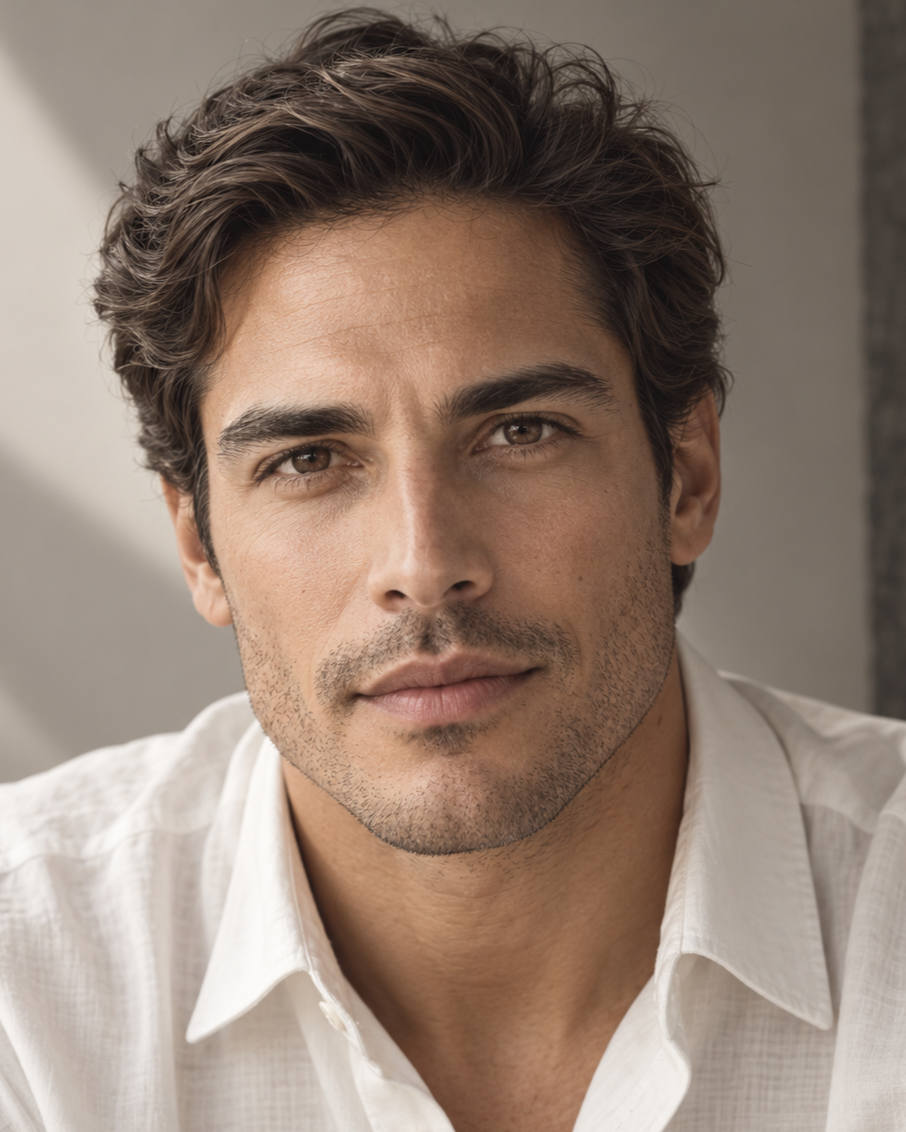
The eye area is often one of the first places patients notice visible signs of aging.
Upper-eyelid heaviness, excess skin, lower-eyelid bags and changes in the surrounding tissues can create a tired or aged appearance—even when someone feels rested.
Dr. Kassabian approaches eyelid surgery by evaluating the entire eye area, including eyelid anatomy, facial proportions, tissue position and surrounding volume.
The objective is not to change the shape of your eyes. It is to help them look more rested, open and naturally refreshed.
Model-not actual patient
LOWER EYELID SURGERY
Lower Blepharoplasty for Under-Eye Bags
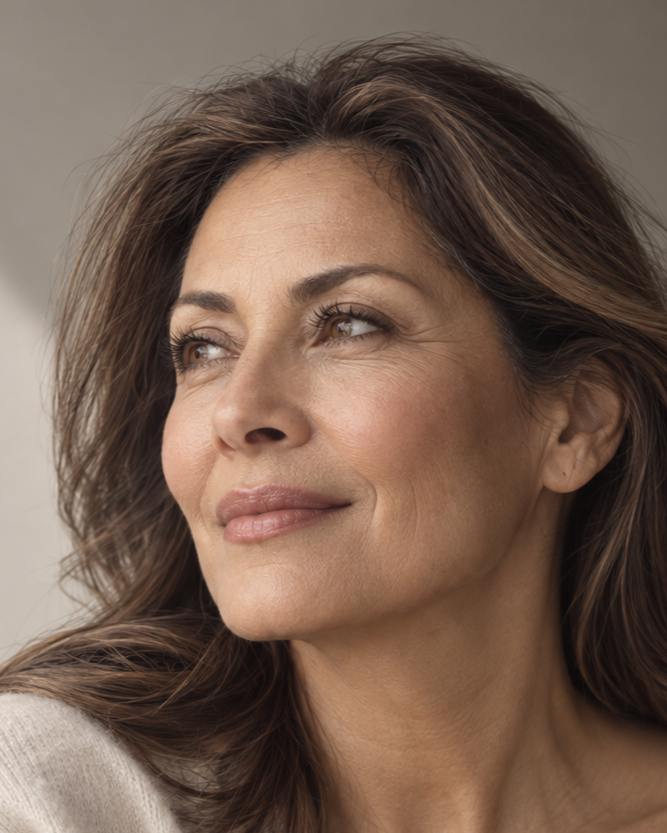
Lower blepharoplasty may be appropriate for patients concerned about persistent under-eye bags, lower-eyelid fullness or structural changes beneath the eyes.
Depending on the patient's anatomy, treatment may involve removal, repositioning or redistribution of lower-eyelid fat and other surgical techniques designed to create a smoother transition between the eyelid and cheek.
Dr. Kassabian's approach focuses on improvement without unnecessarily changing the natural shape of the eye.
Model-not actual patient
COMPREHENSIVE EYE REJUVENATION
Can Upper and Lower Blepharoplasty Be Performed Together?
Yes. When aging affects both the upper and lower eyelids, the procedures may be performed together when appropriate.
Treating both areas can create a more balanced rejuvenation of the eye region, but the recommended approach depends entirely on the patient's anatomy and concerns.
Some patients require only upper-eyelid surgery. Others benefit primarily from lower blepharoplasty. A consultation determines which areas, if any, should be treated.

Model-not actual patient
EYES + VOLUME
When Blepharoplasty and Fat Transfer Work Together.
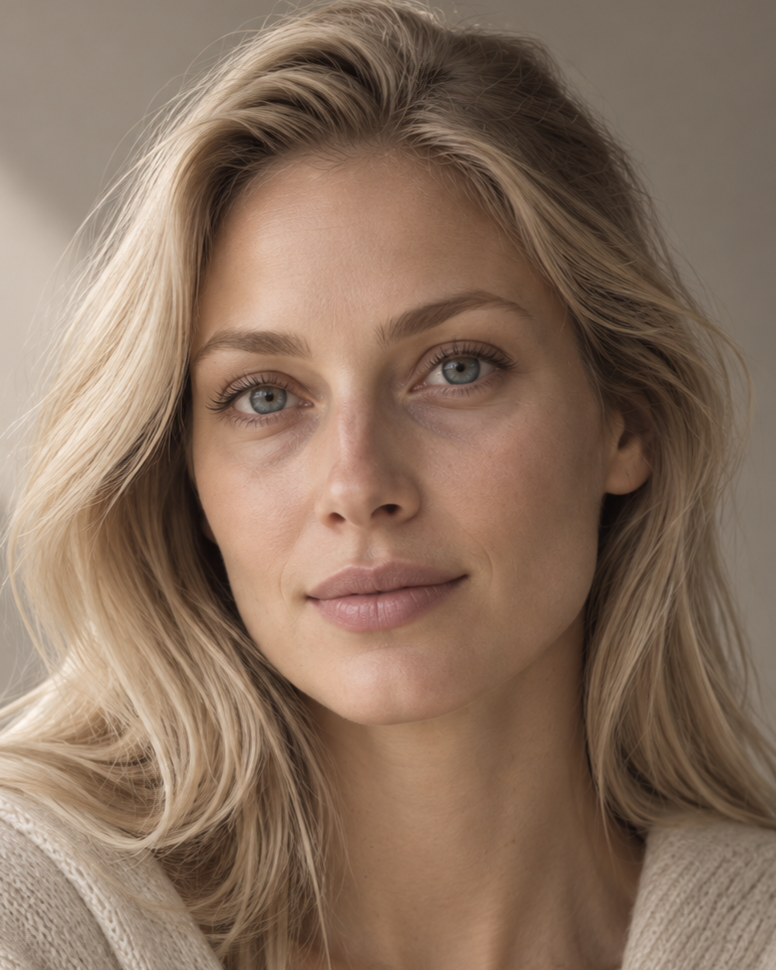
Not every aged or tired appearance around the eyes is caused by excess eyelid skin alone.
Volume changes through the temples, cheeks and under-eye region may contribute to how the eyes appear in the context of the entire face. In selected patients, eyelid surgery and facial fat transfer may be considered together as part of a broader facial rejuvenation plan.
The appropriate treatment depends on what is actually causing the change—not simply where the patient sees it.
Model-not actual patient
NONSURGICAL VS. SURGICAL
Not Every Under Eye Concern is the Same.
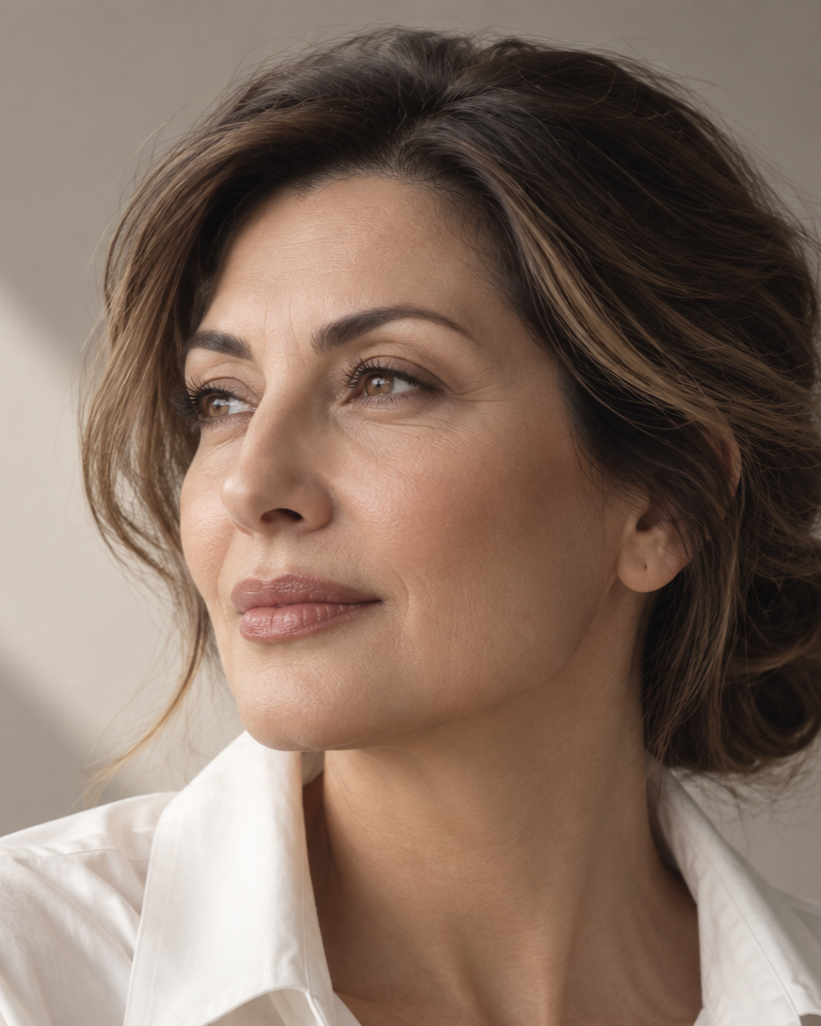
Under-eye bags, hollowness, dark circles and loose skin can have different causes—and they do not necessarily require the same treatment.
Lower-eyelid fat, facial volume loss, skin quality, pigmentation and facial anatomy can all influence the appearance of the under-eye area.
Dr. Kassabian evaluates the cause of the concern before recommending surgery, nonsurgical treatment or a combined approach.
The right treatment begins with understanding what is actually creating the appearance.
Model- not actual patient
Who Is a Candidate for Blepharoplasty?
Blepharoplasty may be considered by patients experiencing visible changes of the upper or lower eyelids that create heaviness, under-eye bags or a persistently tired appearance.
Age alone does not determine candidacy.
Eyelid anatomy, skin quality, facial structure, medical history, eye health and individual goals are all considered before recommending surgery.
The appropriate treatment plan is determined during an individualized consultation.

Models-not actual patients
NATURAL-LOOKING BLEPHAROPLASTY
You Should Still Look Like Yourself.
One of the greatest concerns patients have about eyelid surgery is looking different rather than simply refreshed.
Dr. Kassabian's approach emphasizes preserving eyelid shape, facial expression and individual character while addressing the specific structural changes contributing to an aged or tired appearance.
The goal is for people to notice that you look rested—not to immediately know that you had eyelid surgery.

What Is Eyelid Surgery Recovery Like?
Swelling and bruising are expected during the early recovery period following blepharoplasty and improve progressively as healing continues.
The amount and duration of swelling varies according to the procedures performed and the individual patient.
Patients receive individualized postoperative instructions and follow-up from the surgical team. Subtle refinement continues as swelling resolves and the eyelid tissues settle.
BLEPHAROPLASTY FAQ
-
Blepharoplasty is eyelid surgery designed to address age-related or structural changes of the upper eyelids, lower eyelids or both. It is sometimes informally referred to as an “eye lift.”
-
Yes. Blepharoplasty is the medical term for cosmetic or reconstructive eyelid surgery. Depending on the patient, surgery may involve the upper eyelids, lower eyelids or both.
-
Lower blepharoplasty can address certain types of under-eye bags caused by prominent or displaced lower-eyelid fat. The appropriate treatment depends on whether the concern is caused by fat, skin, volume loss, pigmentation or a combination.
-
Upper blepharoplasty may improve excess upper-eyelid skin or hooding when surgery is appropriate. Eyelid and brow anatomy should both be evaluated because not all upper-eye heaviness originates from the eyelid itself.
-
The goal of individualized blepharoplasty is generally to preserve natural eye shape and expression while addressing specific age-related or structural concerns.
-
Recovery varies by patient and procedure. Swelling and bruising generally improve progressively during the early healing period, while more subtle refinement continues as the eyelids heal.
-
Yes, in selected patients. Blepharoplasty may be performed as a standalone procedure or combined with facelift, neck lift or other facial rejuvenation procedures when appropriate.
EXPLORE FACELIFT SURGERY →
Ready to Start Your Transformation?
Send us a quick message, and we’ll schedule a friendly, no-pressure consultation to talk through your goals together.